
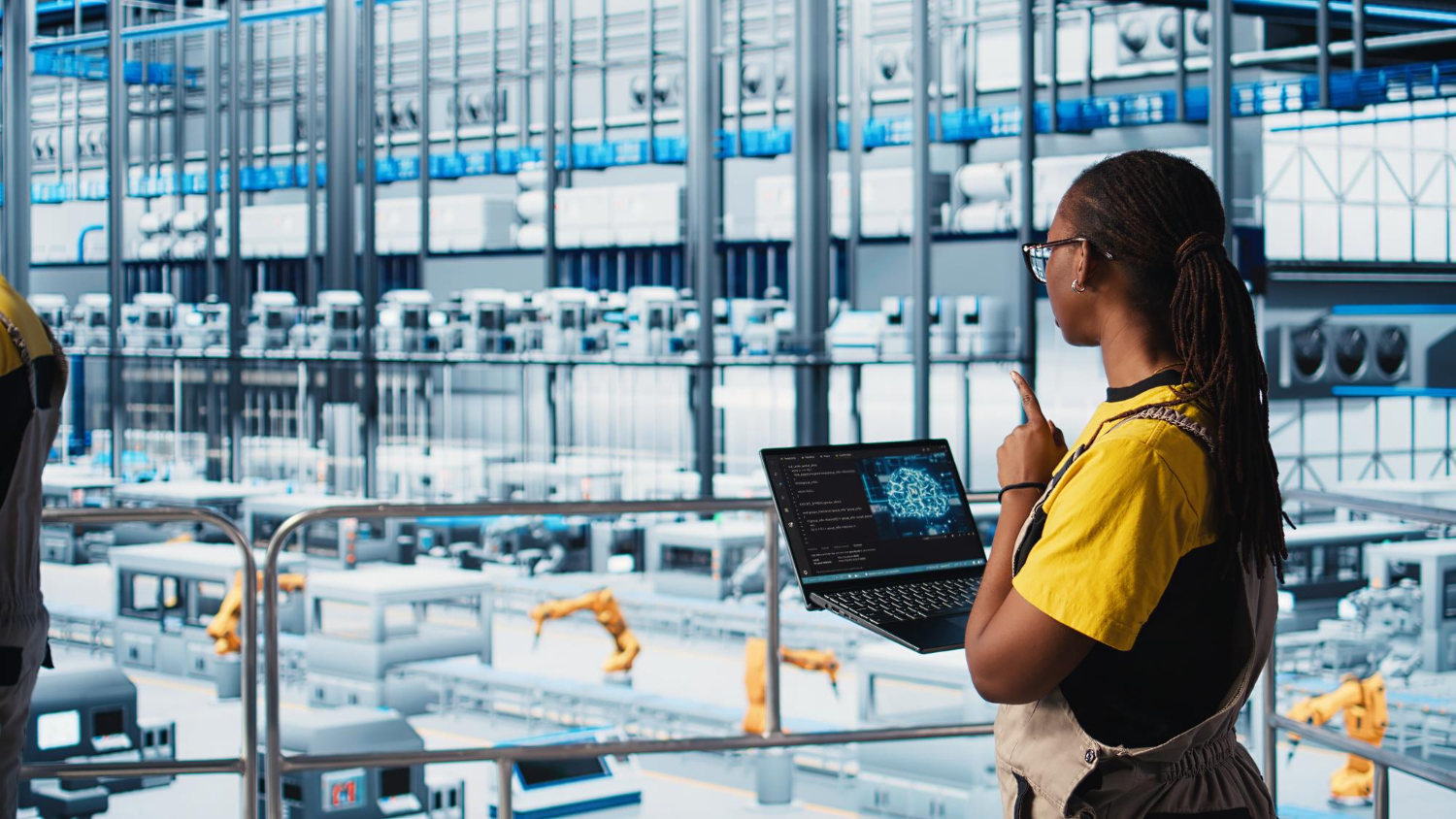
In modern industries, uptime is everything. Whether it’s a refinery, a logistics hub, or a manufacturing plant, a single spill or tank failure can halt operations, create safety hazards, and generate significant costs. Downtime doesn’t just impact production; it also damages customer trust and can even lead to legal or environmental consequences.
Table of Contents
An advanced tank monitoring technologies are now transforming how companies oversee their storage infrastructure, helping them predict issues before they occur and ensuring uninterrupted operations. These systems are designed to combine real-time data with predictive analytics, offering organizations peace of mind while improving efficiency at every level.
Beyond Traditional Monitoring: A Smarter Approach
Old-fashioned inspection methods often rely on manual checks and paper logs. While these processes may have worked in the past, they are not suited for the speed and complexity of modern industry. Manual monitoring can only provide a snapshot of tank conditions at a specific moment, and the accuracy of those checks depends heavily on human attention to detail. Errors are common, and small issues often go unnoticed until they escalate into much larger problems.
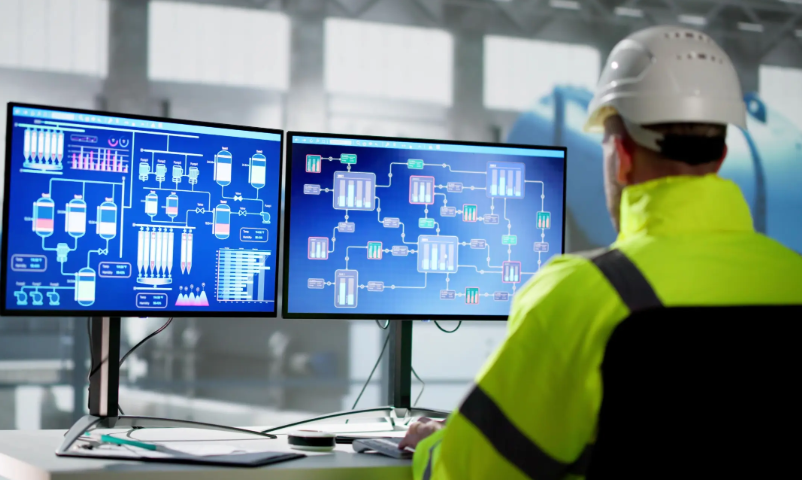
Today’s tank monitoring combines IoT-enabled sensors, cloud-based platforms, and AI-driven analytics to close those gaps. Instead of simply reporting liquid levels, these systems create a complete picture of what’s happening inside and around a storage tank. Pressure fluctuations, temperature shifts, and unusual consumption patterns are all tracked in real time. When irregularities appear, the system immediately alerts operators, giving them the chance to investigate and respond before a problem escalates.
The result is a smarter, more proactive approach to safety. By catching anomalies early, businesses can prevent spills, avoid unplanned downtime, and extend the life of critical assets. This intelligence-driven model moves companies away from reactive problem-solving and toward preventive action.
The Hidden Costs of Downtime
Downtime is more than a temporary inconvenience—it’s one of the most expensive challenges companies face. Every hour of inactivity can impact delivery schedules, strain supply chains, and erode customer confidence. In industries where margins are tight and competition is fierce, even a short disruption can ripple across the entire business.
Spills or overfills caused by poor monitoring are particularly costly. Not only do they require expensive clean-up operations, but they may also trigger regulatory fines, lawsuits, and reputational damage. These consequences can linger for years, making it harder to secure contracts or maintain customer relationships.
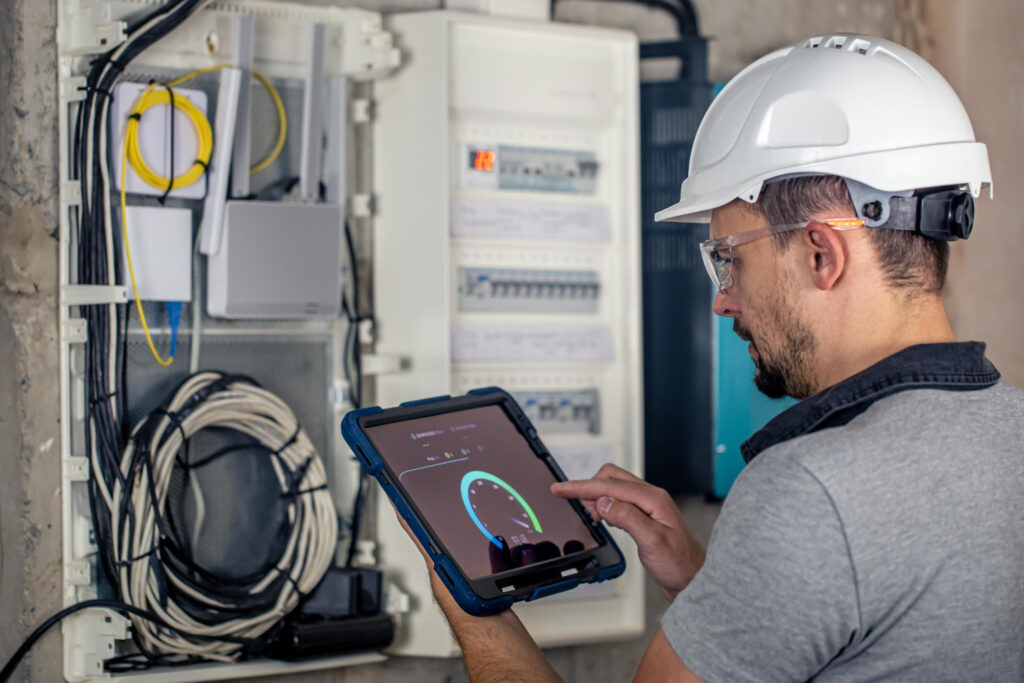
By investing in real-time tank monitoring services, organizations gain visibility into every stage of tank operations. Managers can make informed decisions backed by reliable data, whether that means scheduling timely maintenance, adjusting deliveries, or reallocating resources. Ultimately, continuous monitoring reduces risks and ensures facilities run smoothly, protecting both profits and people.
How Oil Tank Monitoring Enhances Safety
When it comes to fuels and petroleum products, the stakes are significantly higher. Oil is both valuable and hazardous, and even a single error can have devastating effects on workers, communities, and the environment.
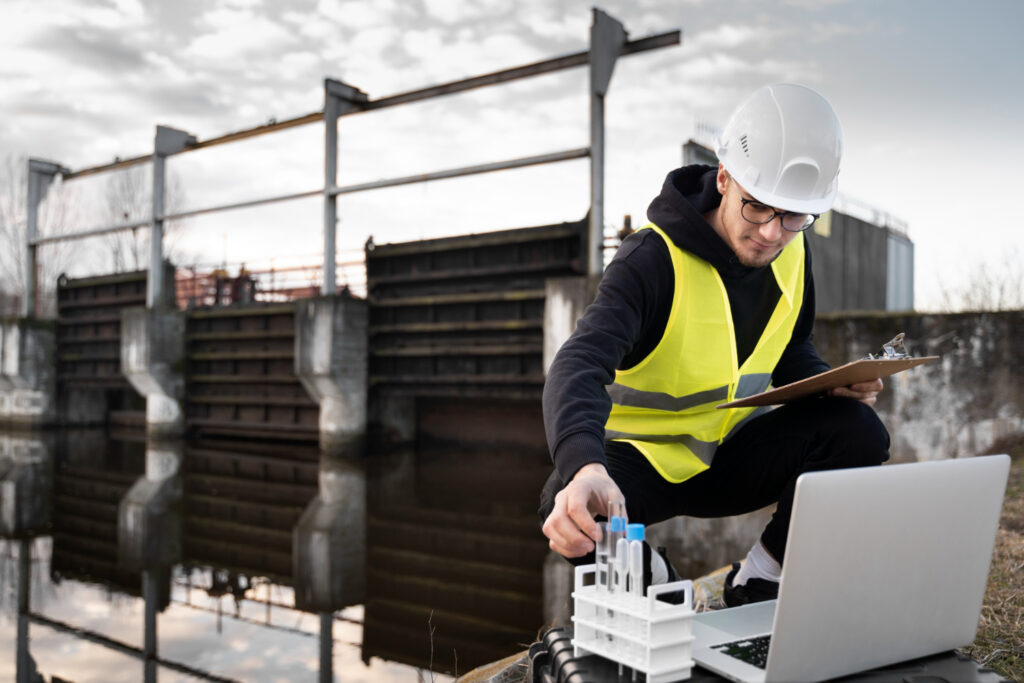
Oil tank monitoring helps mitigate these risks by offering advanced features that go far beyond simple volume measurement:
Comprehensive Variable Tracking
Modern systems monitor multiple parameters simultaneously, including pressure, flow, and temperature. This holistic approach ensures a complete understanding of tank conditions.
Early-Warning Signals
Sudden drops in tank levels may indicate leaks, while irregular pressure readings could suggest equipment malfunction. These indicators provide early warnings before problems escalate.
Faster Response Times
Real-time alerts allow operators to act quickly, often before visible signs of a leak or failure appear. This minimizes potential damage and reduces downtime.
Reduced Dependence on Manual Checks
Automated alerts and continuous monitoring lower reliance on human inspections, ensuring critical issues are never overlooked due to error or oversight.
Enhanced Compliance
By meeting strict environmental and industry regulations, companies avoid penalties while protecting workers and surrounding communities.
Stronger Reputation and Sustainability
An effective oil tank monitoring demonstrates a company’s commitment to responsible operations, safeguarding ecosystems, reinforcing long-term credibility in the marketplace.
A Corporate View: Centralized Monitoring Across Locations
For businesses that manage multiple facilities, overseeing storage tanks becomes even more complex. Without a unified system, managers often juggle spreadsheets, emails, and phone calls to gather data from different sites. This fragmented approach wastes time and increases the likelihood of errors.
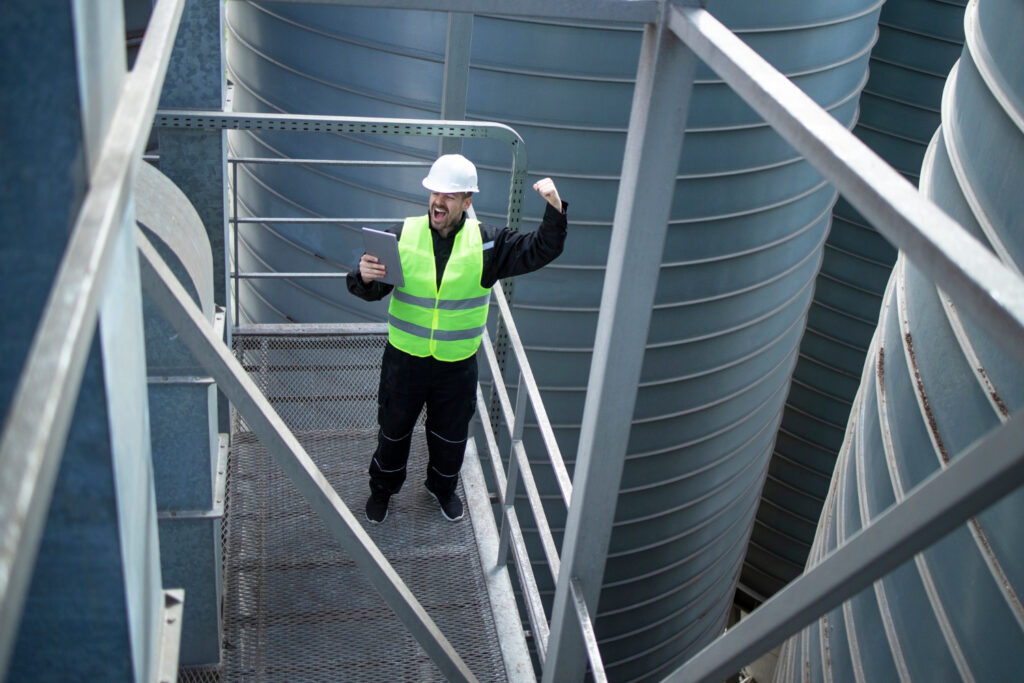
A corporate tank monitor changes that by consolidating all tank data into a single, centralized dashboard. From one platform, managers can view real-time information about every tank across all locations. This streamlined visibility makes it easier to plan deliveries, optimize logistics, and balance supply across facilities. It also prevents common issues such as overfilling, underutilization, or unnecessary deliveries.
The corporate view doesn’t just improve efficiency; it creates consistency across an organization. Decision-makers can implement standard policies, compare performance between sites, and ensure compliance on a broader scale. This centralized approach is especially valuable for companies that want to scale their operations without sacrificing safety or accuracy.
Choosing the Right Partners
While technology forms the backbone of monitoring systems, the provider behind the solution is equally important. Reliable support, industry expertise, and the ability to tailor systems to unique requirements all play a role in long-term success. Partnering with experienced tank monitoring companies ensures organizations receive solutions that fit their industry’s specific needs.
When selecting a provider, businesses should consider how well the system integrates with existing infrastructure, the level of customer support available, and whether predictive maintenance features are included. Scalability is another key factor; as companies grow, they need systems that can expand alongside them. A strong provider will offer not only robust technology but also guidance, training, and ongoing service that maximizes value over time.
Industry Spotlight: Oil and Gas
Nowhere are the benefits of advanced monitoring more apparent than in the oil and gas sector. This industry operates under some of the strictest safety and compliance requirements in the world. A spill or unplanned shutdown can cost millions in a matter of hours, and the reputational fallout can be even more damaging.
These oil and gas tank monitoring systems integrate seamlessly with SCADA platforms and enterprise resource planning tools, giving decision-makers a complete view of their operations. These solutions help companies anticipate demand, spot problems early, and maintain compliance with environmental regulations. By optimizing inventory and reducing waste, they also improve profitability while ensuring safety standards are met.
In a sector where downtime is not an option, intelligent monitoring is more than a convenience—it’s a necessity.
FAQs
How does tank monitoring prevent downtime?
It provides early detection of irregularities such as leaks, temperature shifts, or pressure changes, allowing maintenance teams to resolve issues before they escalate.
Is oil tank monitoring different from regular monitoring?
Yes. Oil tanks require specialized sensors and compliance-focused features to meet strict industry and environmental standards.
Can corporate tank monitor systems integrate with existing platforms?
Many solutions are designed to integrate with ERP, inventory, and logistics platforms, providing seamless oversight across operations.
What makes tank monitoring companies different from one another?
The main differences include the level of technology offered, customer support, scalability, and the ability to customize solutions for industry-specific needs.
Do monitoring services reduce costs as well as risks?
Absolutely. By preventing spills, optimizing deliveries, and reducing downtime, monitoring solutions can significantly cut operational expenses over time.
Conclusion
Preventing spills and downtime isn’t just about compliance—it’s about protecting assets, people, and profitability. With tank monitoring solutions, businesses gain the insight and control needed to operate smarter and safer. By choosing the right partner and embracing modern tank monitoring technology, organizations can secure their operations and stay one step ahead of costly disruptions.