
Table of Contents
Nobody wants to wear aligners longer than they have to. When you start Invisalign you get an estimated timeline, maybe twelve months, maybe eighteen, and from that moment on the goal is to finish on time or even a little early if possible.
The good news is that there are genuine, evidence-backed ways to move through Invisalign treatment faster without cutting corners or compromising the quality of your final result. Some are simple daily habits. Others involve choices you make at the consultation and provider selection stage that affect the entire pace of treatment from the start.
The bad news is that most of the advice floating around online about speeding up Invisalign is either vague, oversimplified, or in some cases genuinely counterproductive. So this guide focuses on what actually works based on how Invisalign treatment functions clinically.
Patients across Agoura Hills, Calabasas, Westlake Village, Thousand Oaks, Oak Park, Hidden Hills, Newbury Park, Bell Canyon, and Lake Sherwood who are already in treatment or planning to start will find practical, honest guidance on accelerating their timeline right here. And for anyone still exploring their options, working with an experienced provider for Invisalign Agoura Hills gives you the most efficient path to your final result from day one.
The Single Biggest Factor: Wear Time
If there is one thing that determines how fast Invisalign treatment progresses more than anything else, it is how many hours a day you actually wear your aligners.
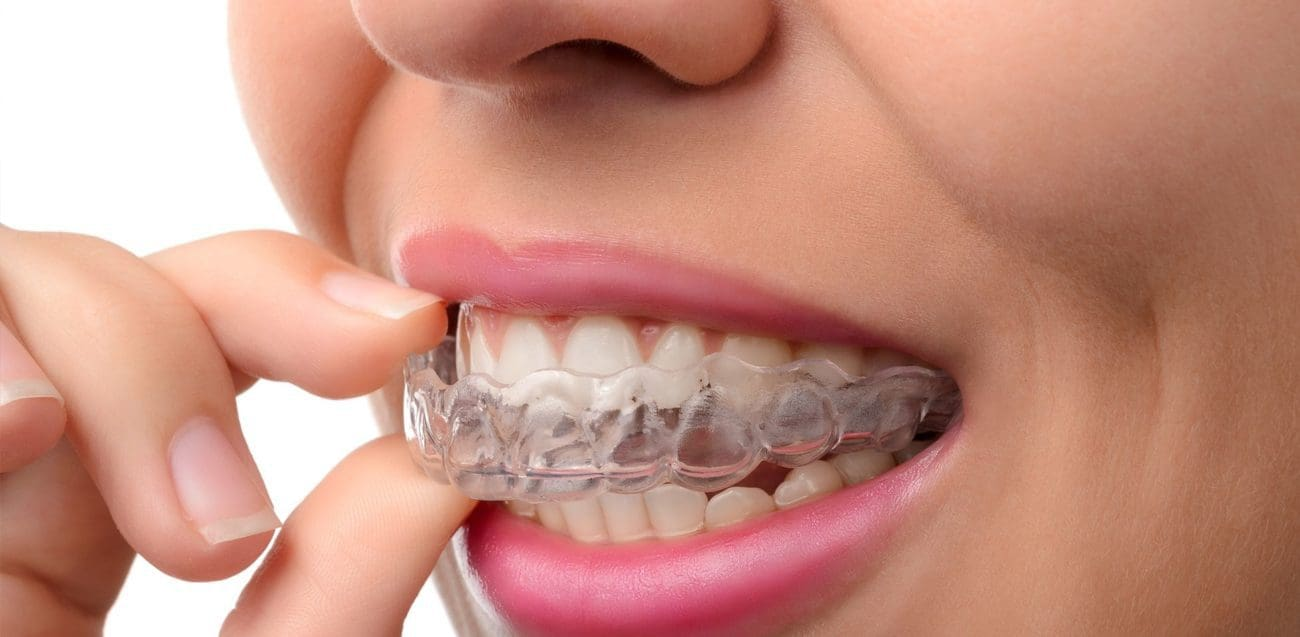
Invisalign is designed to be worn twenty to twenty-two hours per day. This is not a suggestion. It is the clinical minimum required for the aligners to apply the consistent, sustained pressure needed to move teeth on schedule.
Every hour the aligners are out is an hour the teeth are not being moved. Worse, teeth have a natural tendency to drift back toward their original positions when the aligners are removed. Taking aligners out for four or five hours a day instead of two does not just slow treatment down. It can actively undo progress.
Patients who struggle with wear time consistently end up needing more refinements, extended treatment sequences, and longer overall timelines than those who hit the twenty-two hour target every day. Tracking your wear time honestly, even using a simple note on your phone, helps identify patterns before they become a problem.

Change Your Aligners on Schedule or Slightly Earlier
Invisalign aligners are typically worn for seven to ten days per set depending on the treatment plan your provider has prescribed. Some providers allow patients to advance to the next set slightly earlier if the teeth are tracking well.
This is worth asking about at your next check-in appointment. If your teeth are consistently moving as planned and your provider is comfortable with a slightly accelerated switching schedule, moving from ten days to seven days per set shaves meaningful time off the overall treatment without compromising the integrity of each individual movement.
The key word is if. Do not switch aligners ahead of schedule without your provider’s explicit approval. Advancing too quickly before a movement is complete leads to poor tracking, which ultimately adds time to your treatment rather than reducing it.
Use AcceleDent or Propel if Your Provider Offers It
Dental technology has introduced devices designed to accelerate tooth movement during orthodontic treatment. AcceleDent and Propel are the most widely used in Invisalign practice.
AcceleDent is a small mouthpiece that delivers gentle micro-pulses to the teeth and jaw for twenty minutes a day. These pulses stimulate bone remodeling around the teeth, which is the biological process that allows tooth movement to occur. By accelerating bone remodeling the device can reduce overall treatment time by up to fifty percent in some cases according to clinical studies.
Propel works slightly differently by creating micro-osteoperforations in the jawbone near the teeth being moved, which similarly accelerates the bone remodeling process. It is typically performed in a short in-office procedure and can be used on specific teeth that are moving more slowly than planned.
Not every provider offers these technologies. If faster treatment is a priority for you it is worth asking about acceleration options at your consultation. Choosing a provider for your Invisalign treatment who is familiar with these tools and uses them regularly gives you options that many patients are not even aware exist.
Keep Every Check-In Appointment
Check-in appointments during Invisalign treatment are not optional extras. They are a critical part of keeping your case on track.
At each check-in your provider assesses how your teeth are tracking against the ClinCheck treatment plan. If a tooth is not moving as expected they can identify it early and take corrective action before it compounds into a bigger problem. If everything is tracking well they may approve an accelerated switching schedule as discussed above.
Patients who skip or delay check-in appointments are essentially flying blind for that period of treatment. Tracking issues that could have been corrected in a five-minute appointment at week eight instead become significant refinement requirements discovered at week sixteen. This adds months to a timeline, not weeks.

Address Attachments and Compliance Issues Early
Attachments are the small tooth-colored buttons bonded to certain teeth during Invisalign treatment to help the aligners achieve specific movements more effectively. If an attachment comes off during treatment, the aligner loses some of its ability to move that tooth as planned.
A loose or missing attachment should be reported to your provider promptly rather than waiting until your next scheduled check-in. Leaving an attachment off for several weeks means those weeks of wear time are not producing the intended movement, which adds time to your treatment.
The same applies to any aligner that does not feel like it is seating properly. Aligners that do not fully seat against the teeth are not applying the pressure they should. Chewies, small cylindrical foam or rubber devices provided by your provider, help seat aligners fully when used for five to ten minutes after inserting a new set. This simple habit makes a measurable difference in tracking quality over the course of a full treatment sequence.
What Does Not Actually Speed Up Treatment
It is worth addressing a few popular ideas about accelerating Invisalign that do not hold up in practice.
Switching aligners every five or six days regardless of tracking is one of the most common mistakes patients make when they try to speed up their treatment independently. Advancing too quickly before tooth movements are complete leads to gaps between the aligner and the tooth surface, poor tracking, and a cascade of refinements that extend the total treatment time far beyond what the original plan would have required.
Removing aligners more than necessary during meals to give teeth a rest does not help. Teeth do not need rest during orthodontic treatment. Consistent, sustained pressure is what moves them efficiently. Interruptions slow progress.
And skipping retainer wear after treatment in the hope of avoiding the final phase does not speed anything up. Retainers are what consolidate the result. Patients who skip them undo their own treatment, which eventually leads back to the orthodontist for a corrective round that would not have been necessary.
The Provider Factor
One of the most overlooked aspects of treatment speed is provider selection. An experienced provider who plans treatment precisely from the start, monitors tracking closely throughout, and intervenes early when issues arise consistently produces faster overall timelines than providers who plan less precisely and rely on extensive refinements to correct what was missed during active treatment.
For patients considering cosmetic dentistry alongside their Invisalign treatment, choosing a provider who handles both orthodontic and cosmetic work means the full smile plan is coordinated from the start. There is no handoff between providers, no gap in communication, and no duplication of planning that slows the overall process down.
The fastest path through Invisalign is a well-planned case managed by an experienced provider with a patient who wears their aligners consistently and shows up to every appointment. All of those factors are within your control.
FAQs
Can I switch Invisalign aligners early to finish faster?
Only with your provider’s approval. Advancing aligners before tooth movements are complete leads to poor tracking and extended treatment time. Ask your provider at your next check-in if your tracking supports an accelerated schedule.
How much does wear time actually affect my Invisalign timeline?
Significantly. Every hour under the twenty-two hour daily minimum slows tooth movement and can add weeks or months to your overall timeline. Consistent full-day wear is the single most impactful thing you can do to stay on schedule.
Do AcceleDent and Propel actually work?
Clinical evidence supports both devices as effective tools for accelerating tooth movement when used correctly. Not every provider offers them so it is worth asking at your consultation if faster treatment is a priority.
What should I do if an attachment falls off?
Contact your provider as soon as possible rather than waiting for your next scheduled appointment. A missing attachment reduces the aligner’s ability to move that tooth as planned and can add time to your treatment if left unaddressed.
Does Invisalign take longer than braces?
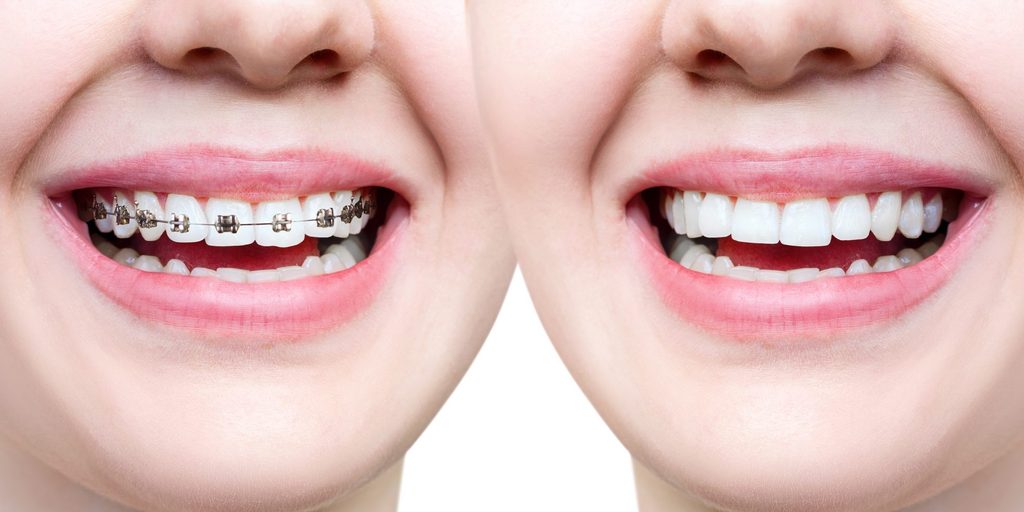
For many cases no. Mild to moderate cases treated with Invisalign by an experienced provider often complete in comparable or shorter timeframes than traditional braces. Complex cases vary.

