
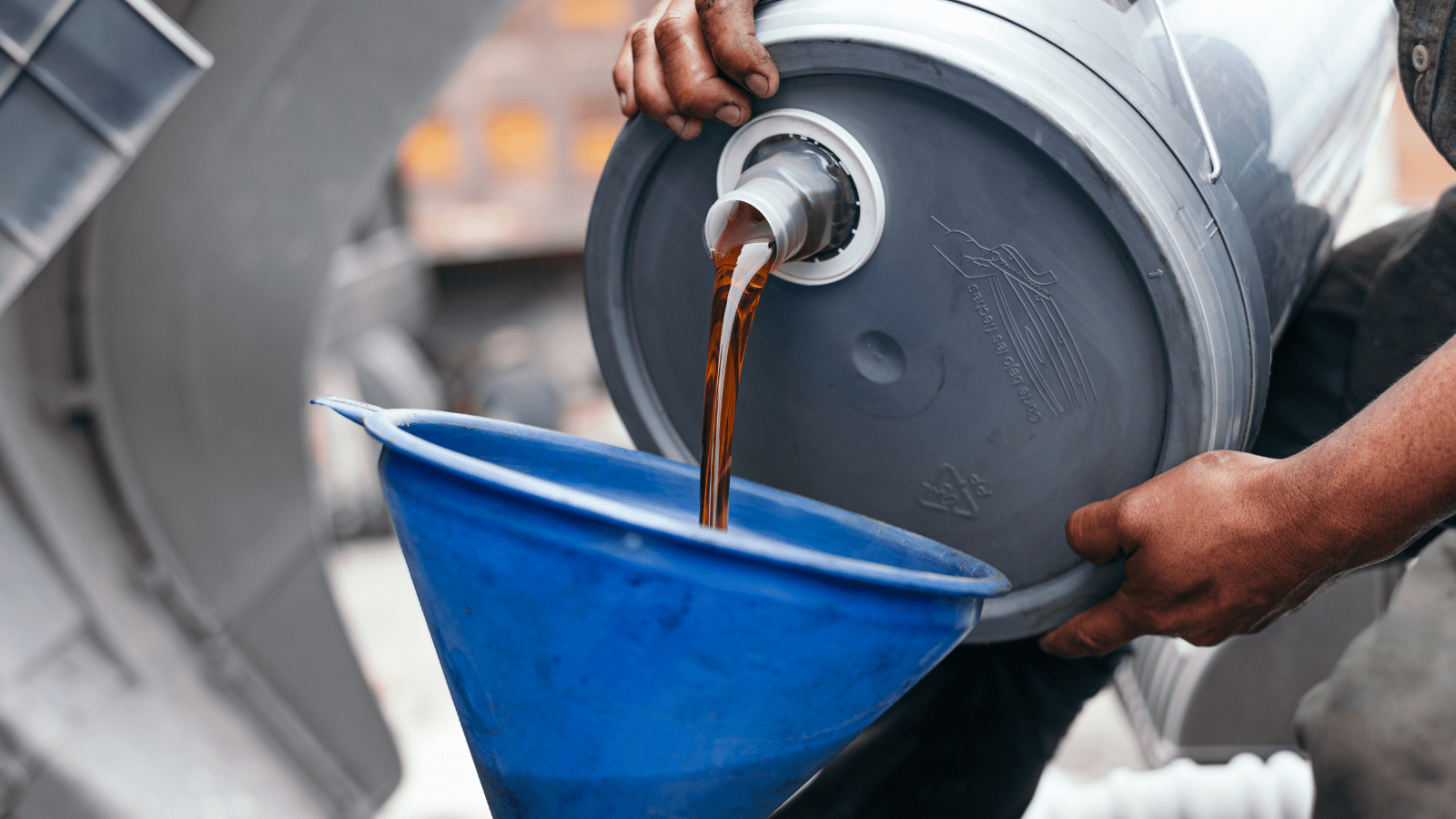
In today’s world, where fuel efficiency is more important than ever, finding ways to optimize vehicle performance and reduce fuel consumption is key. Whether you’re a personal vehicle owner or a business managing a fleet, you are likely looking for strategies to increase fuel economy without sacrificing performance. One powerful solution that many overlook is the use of high-performance lubricants.
Table of Contents
- What Are High-Performance Lubricants?
- How High-Performance Lubricants Improve Fuel Economy
- Factors to Consider When Selecting High-Performance Lubricants
- FAQs About High-Performance Lubricants
- What’s the difference between high-performance lubricants and regular motor oils?
- How often should I change the oil when using high-performance lubricants?
- Are high-performance lubricants environmentally friendly?
- Can high-performance lubricants be used in older engines?
- How do I know which high-performance lubricant is right for my vehicle?
- Conclusion
High-performance lubricants are engineered to reduce friction, prevent wear, and improve the efficiency of your engine. These lubricants are designed with advanced formulations that not only protect engine components but also optimize fuel efficiency. In this guide, we’ll explore how high-performance lubricants contribute to boosting engine fuel economy, discuss the various benefits they offer, and provide tips for choosing the right product for your engine.
What Are High-Performance Lubricants?
High-performance lubricants are specialized oils or fluids that provide superior lubrication and protection for engines, particularly those under high stress, extreme temperatures, or heavy-duty conditions. They contain advanced additives that enhance the lubricant’s performance, such as anti-wear agents, detergents, and dispersants, which help keep the engine clean and prevent harmful deposits.
These lubricants are more than just standard motor oils; they are formulated to meet the stringent demands of modern engines, including those in high-performance sports cars, heavy-duty trucks, and industrial machinery. By improving engine efficiency, these lubricants contribute to improved fuel economy, reduced emissions, and longer engine life.
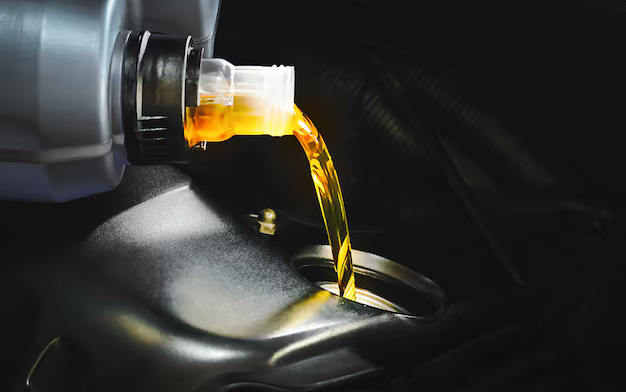
How High-Performance Lubricants Improve Fuel Economy
1. Reduced Friction for Greater Efficiency
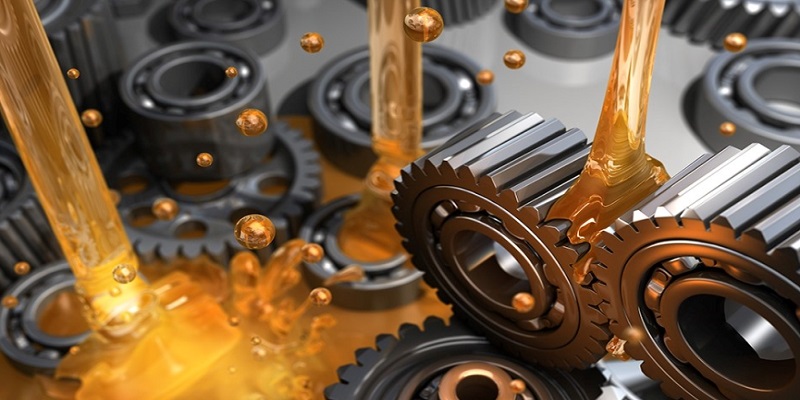
Friction is one of the biggest culprits behind energy loss in an engine. As the engine’s moving parts—such as pistons, valves, and the crankshaft—rub against each other, friction is created. This friction not only generates heat but also causes energy loss, leading to inefficient fuel consumption.
High-performance lubricants reduce friction by forming a thin protective layer on engine parts, minimizing resistance between metal surfaces. This results in smoother engine operation, reduced energy waste, improved fuel efficiency, and enhanced fuel economy. Less friction means the engine requires less fuel to maintain performance.
2. Enhanced Engine Protection
Engines are designed to withstand extreme conditions, but without proper protection, they can wear out prematurely. High-performance lubricants provide stability under high temperatures and heavy workloads, allowing the engine to perform efficiently and burn fuel effectively. These lubricants reduce wear and prevent breakdowns, ensuring the engine operates optimally, improving fuel economy by reducing the need for the engine to compensate for wear.
3. Maintaining Cleanliness and Reducing Carbon Buildup
Keeping your engine clean is crucial for fuel efficiency. Over time, dirt, sludge, and carbon can build up and affect performance. High-performance lubricants contain detergents and dispersants that prevent harmful deposits by suspending contaminants, ensuring smooth engine operation.
A clean engine runs more smoothly, burns fuel more efficiently, and delivers better performance. With fewer contaminants interfering with the combustion process, fuel consumption is optimized, contributing to improved fuel economy.
4. Longer Oil Change Intervals
High-performance lubricants extend oil life due to enhanced oxidative stability, preventing breakdown under high temperatures. This leads to fewer oil changes, cost savings, and improved business efficiency.
Longer intervals between oil changes also mean that your engine continues to perform efficiently over time. With fewer interruptions and extended protection, fuel economy remains optimized throughout the oil’s life cycle.
5. Lower Emissions and Cleaner Combustion
High-performance lubricants help improve combustion efficiency, which leads to reduced emissions. By maintaining a clean engine and preventing deposits, these lubricants help ensure that the combustion process is as clean as possible. This results in fewer pollutants being released into the environment.
Cleaner combustion means that your engine burns fuel more effectively, reducing fuel waste and improving overall fuel economy. Moreover, choosing high-performance lubricants that promote cleaner emissions is an environmentally responsible choice.
Factors to Consider When Selecting High-Performance Lubricants
Choosing the right high-performance lubricant is critical to achieving the best fuel economy for your engine. Several factors should be considered when selecting the appropriate lubricant for your engine:
1. Engine Type and Manufacturer Specifications
Each engine has specific needs when it comes to lubricant type, viscosity, and additive package. Always refer to the manufacturer’s recommendations for the type of oil to use in your engine. This will ensure that you are choosing a product that meets the engine’s specific requirements.
For high-performance sports cars or heavy-duty trucks, the type of lubricant will differ from that of a regular passenger vehicle. Always check the manual for guidance.
2. Viscosity and Temperature Range
Viscosity plays a key role in how well the lubricant performs. Oils with the correct viscosity ensure that the engine components are properly lubricated under various conditions. High-performance lubricants are designed to perform under both high and low temperatures, ensuring that your engine stays protected and fuel-efficient regardless of the weather conditions.
Ensure that the lubricant you choose matches your engine’s operating temperature range and is suitable for the climate in which your vehicle operates.
3. Additives and Formulation
Different high-performance lubricants come with various additives to enhance their performance. Some oils contain detergents to keep the engine clean, while others may include anti-wear additives to protect engine parts. When selecting a lubricant, consider the specific additives that will best suit your engine’s needs.
Some oils are formulated for specific applications, such as high-performance vehicles or heavy-duty machinery, which experience more extreme conditions. Ensure the service offering is designed to handle these unique demands.
4. Engine Condition and Age
The condition of your engine is another factor to consider. Older engines may benefit from lubricants formulated with additives that reduce oil consumption and minimize leaks. For newer engines, you may want to choose lubricants that enhance fuel efficiency and provide consistent protection at high speeds.
5. Bulk Lubricants for Businesses
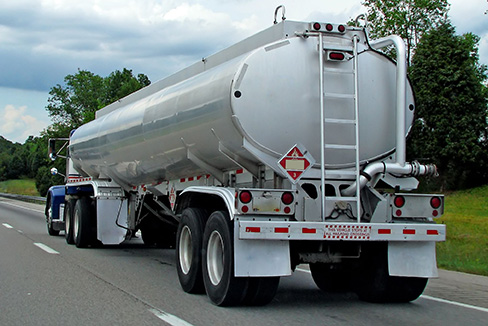
For businesses that operate fleets of vehicles or heavy machinery, purchasing lubricants in bulk can be a cost-effective way to manage operations. Bulk lubricants help ensure a steady supply of oil for all equipment, reducing downtime and the need for frequent oil changes. When purchasing bulk lubricants, work with reputable industrial lubricant distributors to ensure you are getting the best quality products.
FAQs About High-Performance Lubricants
What’s the difference between high-performance lubricants and regular motor oils?
High-performance lubricants contain advanced additives and higher-quality base oils, offering superior protection, reduced friction, and better performance under extreme conditions compared to regular motor oils.
How often should I change the oil when using high-performance lubricants?
High-performance lubricants extend oil change intervals. However, monitor oil levels and follow the manufacturer’s recommendations, as these can vary depending on engine type and driving conditions.
Are high-performance lubricants environmentally friendly?
Many high-performance lubricants reduce emissions and improve fuel efficiency, lowering environmental impact. Look for biodegradable lubricants free from harmful additives for an eco-friendly option.
Can high-performance lubricants be used in older engines?
Yes, they benefit older engines by improving lubrication, reducing oil consumption, and preventing leaks, especially for engines with wear and tear over time.
How do I know which high-performance lubricant is right for my vehicle?
Always consult the owner’s manual for the manufacturer’s recommended specifications. You can also seek advice from trusted lubricant suppliers to choose the right product for your engine.
Conclusion
High-performance lubricants are an excellent investment for anyone looking to boost their engine’s fuel economy. By reducing friction, enhancing protection, maintaining engine cleanliness, and extending oil life, these lubricants help optimize fuel consumption and engine efficiency. Whether you’re a consumer looking to improve your vehicle’s performance or a business managing a fleet, choosing the right high-performance lubricant ensures that your engine operates smoothly, efficiently, and with fewer maintenance issues.
Consulting with experienced lubricant suppliers and industrial lubricant distributors ensures that you select a high-quality lubricant tailored to your engine’s specific needs. In doing so, you will enjoy the long-term benefits of improved fuel economy, lower operating costs, and a more environmentally friendly operation.