
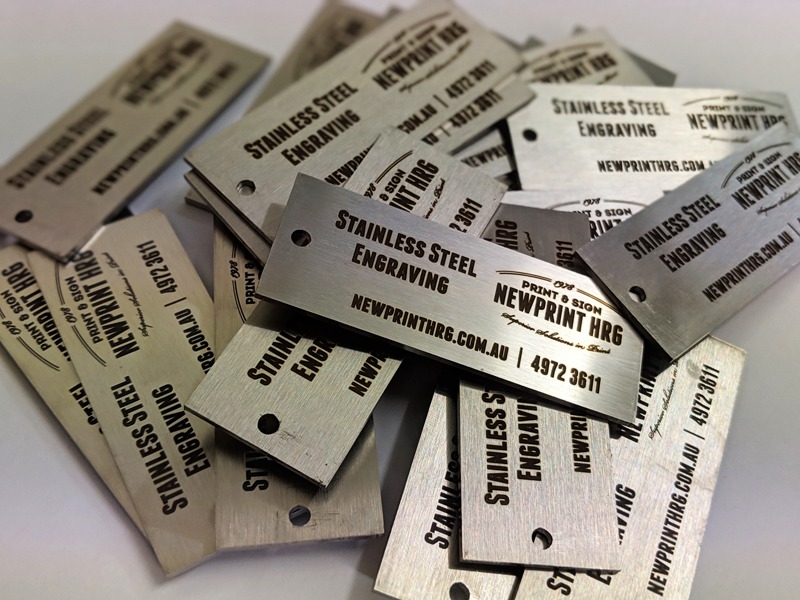
Effective equipment management is essential for maintaining productivity, safety, and operational efficiency across various industries. In modern industrial environments, companies rely on accurate identification systems to track assets, schedule maintenance, and ensure regulatory compliance. One simple yet highly effective solution is the use of a nameplate tag designed specifically for equipment identification.
Table of Contents
- The Role of Identification in Equipment Management
- What Is a Custom Nameplate Tag?
- Benefits of Custom Nameplates in Equipment Management
- Designing Effective Custom Nameplates
- Applications Across Industrial Environments
- Integration with Modern Equipment Management Systems
- Long-Term Durability and Cost Efficiency
- Best Practices for Implementing Nameplate Tags
- The Future of Equipment Identification
- Conclusion
A well-designed labelling system using custom nameplates helps organizations maintain control over machinery, tools, and infrastructure. Whether used in manufacturing facilities, energy plants, warehouses, or transportation sectors, durable identification solutions play a crucial role in improving operational transparency. From numbering tags to durable engraved plates, customized labelling helps businesses maintain organized asset management while reducing the chances of errors or misidentification.
The Role of Identification in Equipment Management
Equipment management systems rely heavily on proper asset identification. Each piece of machinery or component must be traceable for maintenance schedules, inspections, and inventory management.
Why Accurate Equipment Identification Matters
In large facilities, hundreds or even thousands of assets must be monitored simultaneously. Without a structured labelling system, it becomes difficult to track equipment history or perform routine servicing efficiently.
Using customized nameplates ensures that every piece of equipment carries clear identification information such as serial numbers, operating instructions, safety warnings, and tracking codes. These plates are commonly made from durable nameplate metal, allowing them to withstand demanding conditions.
Proper identification through numbering tags or engraved labels also supports digital asset management systems. When each machine has a unique identification marker, technicians can quickly retrieve information about maintenance records or operational status.
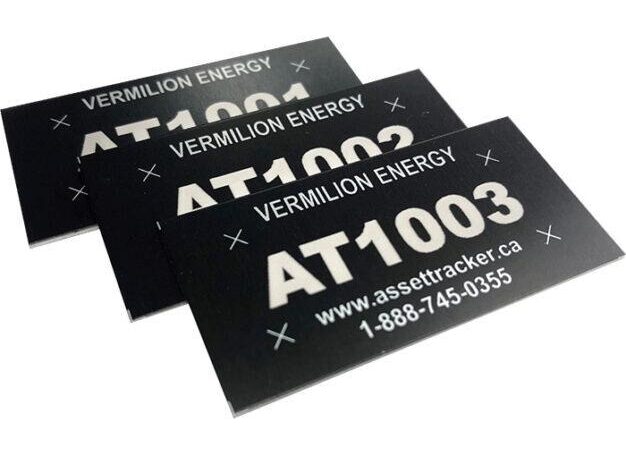
What Is a Custom Nameplate Tag?
A nameplate tag is a durable identification plate attached to equipment, machinery, or infrastructure. It contains important details such as equipment numbers, specifications, safety instructions, or manufacturer information. Unlike generic labels, custom nameplates are designed specifically for the equipment and environment in which they will be used. This allows organizations to create a name plate design that includes the exact information required for asset management.
Common Materials Used for Nameplates
High-quality materials are essential to ensure long-term durability. Many companies choose strong nameplate metal options such as aluminum, stainless steel, or brass. These materials resist corrosion, moisture, heat, and chemical exposure, making them ideal for industrial environments.
Durable engraved plates are often preferred because the information is etched into the surface of the material. This prevents fading or wear over time and ensures that critical data remains readable for years.
Benefits of Custom Nameplates in Equipment Management
A structured identification system using custom nameplates offers several advantages that improve operational efficiency.
Improved Asset Tracking
Clear identification helps organizations track equipment throughout its lifecycle. Using numbering tags or engraved identification codes allows technicians to locate specific machines quickly. When equipment is clearly labelled with a durable nameplate tag, asset management software can link each physical item to digital records. This connection improves inventory accuracy and simplifies asset audits.
Enhanced Maintenance Scheduling
Maintenance teams rely on accurate equipment identification to perform timely servicing. With well-designed nameplates, technicians can easily identify machines that require inspection or maintenance.
The presence of clearly engraved plates ensures that maintenance instructions or operating limits remain visible even after years of use. This helps reduce downtime and prevent costly equipment failures.
Increased Workplace Safety
In demanding industrial environments, safety is a top priority. Proper equipment identification can prevent accidents by ensuring that workers operate machinery correctly. A carefully planned name plate design may include warnings, operational guidelines, or load limits. Durable nameplate metal plates ensure that safety information remains visible despite exposure to harsh conditions.
Better Compliance with Industry Standards
Many industries in Canada must follow strict regulatory requirements related to equipment identification. Proper labelling with custom nameplates helps organizations meet these standards. Using durable numbering tags and permanent identification plates ensures that machines can be easily traced during inspections or audits. This approach improves regulatory compliance while supporting workplace safety programs across Canadian industrial environments.
Designing Effective Custom Nameplates
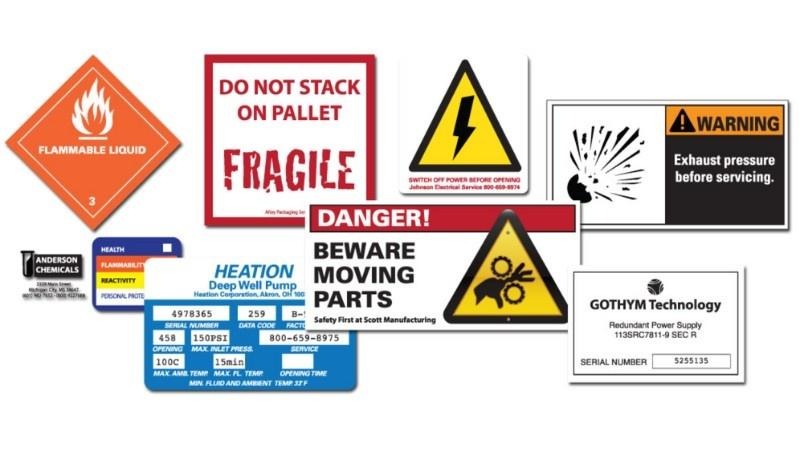
Creating an effective labelling system involves more than simply attaching a tag to equipment. The nameplate design must be carefully planned to provide clear and relevant information.
Key Elements of a Good Nameplate Design
An effective nameplate tag typically includes several important elements:
- Equipment identification number
- Serial or asset number
- Manufacturer information
- Operational specifications
- Safety instructions
Including these details on durable engraved plates ensures that essential information remains available throughout the equipment’s lifespan.
Choosing the Right Material
Material selection is crucial for durability. Many companies rely on nameplate metal materials because they offer excellent resistance to environmental stress. For example, stainless steel or anodized aluminum plates are widely used in industrial environments because they can withstand temperature fluctuations, moisture exposure, and chemical contact.
Customization for Specific Applications
Every facility has unique operational requirements. Customized nameplates allow businesses to tailor identification systems to their specific needs. Some organizations require simple numbering tags for inventory tracking, while others need detailed plates containing technical specifications and safety warnings. Custom manufacturing ensures that the labels match operational requirements.
Applications Across Industrial Environments
The use of custom nameplates extends across many industries where equipment identification is critical.
Manufacturing Facilities
Manufacturing plants depend on accurate machine identification to maintain production efficiency. Durable nameplate tags attached to machinery help operators quickly locate equipment records and maintenance schedules. Using engraved identification plates also reduces confusion between similar machines or components.
Energy and Utilities
Power generation and utility infrastructure require clear identification for safety and regulatory compliance. Nameplate metal tags are commonly used on transformers, control panels, and electrical systems. These engraved plates remain legible even in harsh outdoor conditions, ensuring that technicians can access critical information when performing maintenance.
Transportation and Logistics
Equipment used in transportation systems must be clearly labelled for operational tracking. Numbering tags and customized nameplates allow organizations to monitor vehicles, containers, and infrastructure components effectively. This improves asset visibility and supports efficient logistics management.
Heavy Industrial Operations
Large-scale facilities such as mining operations, refineries, and construction sites rely heavily on durable equipment identification. Industrial environments often expose machinery to extreme conditions. Using corrosion-resistant nameplate metal ensures that identification remains intact despite heavy wear, vibration, and environmental exposure.
Integration with Modern Equipment Management Systems
Modern asset management systems often rely on digital tracking tools. However, physical identification remains essential for connecting digital records with real-world equipment.
Linking Physical Tags with Digital Data
Each nameplate tag can include asset numbers or QR codes that link to digital maintenance records. When technicians scan or reference the tag, they can instantly access equipment history, repair schedules, and operational guidelines. This integration between custom nameplates and digital systems improves workflow efficiency.
Supporting Predictive Maintenance
Advanced equipment management platforms use data analysis to predict maintenance needs. Accurate asset identification through numbering tags ensures that the correct equipment data is collected and analyzed. Durable engraved plates help maintain consistent asset identification over long operational lifecycles.
Long-Term Durability and Cost Efficiency
Investing in high-quality nameplates may seem like a small decision, but it has a significant long-term impact on equipment management. Durable nameplate metal materials resist fading, corrosion, and mechanical damage. This reduces the need for frequent replacements and ensures that identification information remains readable for years.
Additionally, well-organized identification systems reduce maintenance delays, equipment confusion, and operational inefficiencies. Over time, this leads to improved productivity and reduced operational costs.
Best Practices for Implementing Nameplate Tags
Organizations can maximize the benefits of custom nameplates by following a few key implementation practices.
- Prioritize Durability: Selecting high-quality nameplate metal materials helps ensure long-lasting identification in demanding industrial environments.
- Maintain Clear and Readable Designs: A simple and organized name plate design ensures that essential information remains easy to read for operators and technicians.
- Regularly Inspect Nameplates: Even durable engraved plates should be periodically inspected to ensure that they remain intact and readable.
The Future of Equipment Identification
As industries continue adopting digital technologies, equipment management systems will become even more data-driven. However, physical identification methods such as nameplate tags will remain essential.
The combination of durable custom nameplates and digital asset tracking creates a reliable system that supports maintenance, safety, and operational efficiency. With the right nameplate design, organizations can ensure that their equipment remains properly identified and traceable for many years.
Conclusion
Effective equipment management depends on accurate identification and reliable asset tracking. Implementing a durable labelling system using numbering tags and engraved plates helps organizations maintain control over their assets.
By choosing high-quality nameplate metal materials and thoughtful name plate design, businesses can create long-lasting identification solutions that perform well in demanding industrial environments. These systems not only improve operational efficiency but also enhance safety, compliance, and maintenance planning.
As industries continue evolving, well-designed equipment identification systems will remain a critical part of efficient asset management strategies.
FAQs:
What is a nameplate tag used for in equipment management?
A nameplate tag is used to identify machinery and assets within a facility. It provides key details such as equipment numbers, specifications, or safety instructions, helping technicians track and maintain equipment efficiently.
Why are custom nameplates better than standard labels?
Custom nameplates are designed to meet specific operational needs and environmental conditions. They provide durable identification that remains readable in challenging industrial environments, unlike temporary labels.
What materials are commonly used for nameplate metal?
Common nameplate metal materials include stainless steel, aluminum, and brass. These materials are durable, corrosion-resistant, and suitable for long-term use in industrial settings.
How do numbering tags help with asset tracking?
Numbering tags assign unique identification numbers to equipment. These identifiers allow maintenance teams to track assets, access service records, and organize inventory efficiently.
Why are engraved plates preferred in industrial environments?
Engraved plates are durable because the information is etched directly into the material. This prevents fading or damage, ensuring that critical identification details remain readable over time.


