

In today’s world, the media plays a crucial role in informing the public, often operating in high-risk environments. However, with this responsibility comes significant risks, making media security an essential aspect of modern journalism. Whether covering conflicts, political unrest, or investigative reporting, ensuring the safety of media personnel is paramount. This article delves into the key aspects of media security measures, exploring strategies, challenges, and best practices for keeping journalists safe.
Media Security
Media security protects journalists, media personnel, and their equipment while covering stories, particularly in dangerous or unpredictable environments. It encompasses a range of practices, including risk assessments, security planning, and protective measures to ensure the safety of those involved in media production.
The Importance of Media Security
Journalists often find themselves in volatile situations, making them vulnerable to physical harm, kidnapping, or even death. Media security is vital to protect the lives of these professionals and ensure the free flow of information. Without proper security measures, the press’s ability to operate freely and safely can be severely compromised.
Key Components of Media Security
Effective media security involves several components that work together to mitigate risks and enhance safety.
Risk Assessments
Before embarking on an assignment, it’s crucial to conduct a thorough risk assessment. This involves evaluating the political, social, and environmental factors that may pose threats to journalists. Such assessments help identify potential dangers, allowing for the planning of appropriate security measures. This proactive approach ensures that journalists are better prepared for the challenges they may encounter.
Secure Communication
Maintaining secure communication channels is essential for media personnel, especially when operating in hostile environments. Using encrypted communication tools can protect sensitive information from interception by malicious entities. Ensuring that all communications are secure helps prevent unauthorized access and maintains the integrity of the information being shared. This security is critical for safeguarding both the journalists and their sources.
Training and Preparedness
Journalists and media crews should undergo specialized training to prepare for high-risk situations. This training often covers essential skills such as first aid, hostile environment awareness, and evacuation procedures. Being well-prepared enables journalists to respond effectively to unforeseen incidents and enhances their ability to operate safely in dangerous environments. Preparedness is crucial for managing the risks associated with reporting from high-threat areas.
Protective Measures
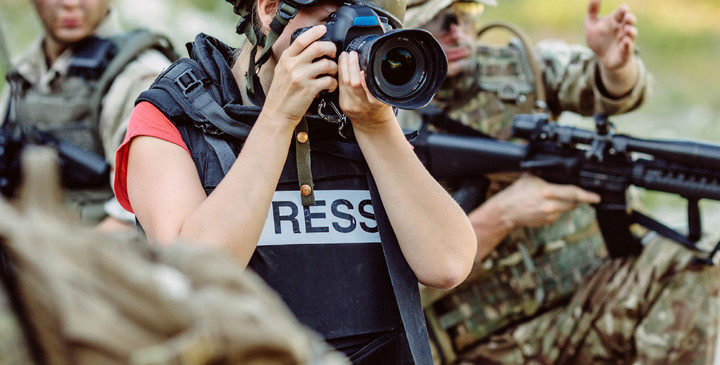
Depending on the assessed level of risk, various protective measures may be necessary. These measures can include personal protective equipment (PPE), secure transportation, and the presence of trained security personnel. The goal is to minimize exposure to danger and ensure that immediate response capabilities are in place if needed. Adequate protective measures are essential for maintaining the safety and well-being of media personnel in hazardous conditions.
The Role of Secure Transportation in Media Security
Transportation is a critical aspect of media security, particularly in unstable regions. Secure transportation involves using vehicles that are equipped to handle threats such as ambushes, roadside bombs, or kidnapping attempts. Armored vehicles and professional drivers trained in defensive driving are often employed to ensure safe passage through dangerous areas.
Armored Vehicles
Armored vehicles provide a level of protection that standard vehicles cannot offer. These vehicles are reinforced to withstand gunfire, explosions, and other forms of attack. For media personnel operating in war zones or areas with high rates of crime, armored vehicles are a necessary investment in safety.
Trained Security Drivers
Security drivers are trained to navigate through hostile environments, recognizing potential threats and taking evasive actions when necessary. Their expertise in defensive driving significantly reduces the risk of attacks or accidents, making them an invaluable asset to media teams.
Challenges in Media Security
While the importance of media security is undeniable, several challenges make its implementation complex.
Budget Constraints
Media organizations often operate under tight budgets, which can make it difficult to allocate sufficient funds for security measures. Limited financial resources can lead to inadequate protective measures, leaving journalists exposed to potential harm. The challenge is to balance budgetary constraints with the need for robust security to ensure the safety of media personnel.
Ethical Considerations
Balancing security needs with journalistic ethics can be challenging for media organizations. For instance, employing armed guards may enhance safety but could compromise the perceived neutrality of the journalists, potentially increasing their risk. Striking a balance between ensuring protection and maintaining impartiality is a complex issue that requires careful consideration.
Hostile Environments
Operating in hostile environments presents unique challenges that can complicate security efforts. Journalists may face unpredictable threats, such as sudden uprisings or terrorist attacks, requiring adaptive and responsive security strategies. These dynamic conditions make it difficult to implement and maintain effective security measures in real-time.
Comprehensive Planning
A well-thought-out security plan is crucial for any media assignment in a high-risk area. This plan should encompass contingency measures, clearly defined evacuation routes, and established communication protocols to follow in emergencies. Comprehensive planning ensures that all potential scenarios are addressed, allowing media personnel to respond effectively to unforeseen situations.
Collaboration with Local Experts
Working with local security experts can offer valuable insights into the specific risks of a given region. These experts can guide navigating complex environments and offer tailored advice to minimize exposure to danger. Leveraging local knowledge enhances the effectiveness of security strategies and helps journalists adapt to the unique challenges of their location.
Regular Security Audits
Media organizations should conduct regular security audits to evaluate the effectiveness of their existing security measures. These audits help identify any vulnerabilities in the security plan and ensure that protective practices are up-to-date. Regular reviews are essential for maintaining a robust security framework and adapting to any new threats or changes in the operational environment.
FAQs
What is media security?
Media security refers to the measures taken to protect journalists and media personnel while they report on stories, particularly in dangerous or unstable environments.
Why is media security important?
Media security is crucial for safeguarding the lives of journalists and ensuring the free flow of information, especially in regions where reporting can be dangerous.
What are the key components of media security?
The key components of media security include risk assessments, secure communication, protective measures, and training for media personnel.
How does secure transportation contribute to media security?
Secure transportation, including the use of armored vehicles and trained security drivers, is essential for safely navigating through high-risk areas and reducing the likelihood of attacks on media personnel.
What are the challenges in implementing media security?
Challenges include budget constraints, hostile environments, and balancing security needs with ethical considerations.
Conclusion
Media security is an essential aspect of modern journalism, particularly in high-risk environments. By understanding the risks, implementing comprehensive security measures, and following best practices, media organizations can significantly enhance the safety of their personnel. As the world continues to change, the importance of media security will only grow, making it a critical focus for any media organization dedicated to responsible and safe reporting.


